
Design Considerations for Commercial Deck and Porch Installations
People searching for commercial deck design are typically looking to ensure their project meets safety, functionality, and aesthetic needs, with local contractors ready to assist.
Property owners exploring design considerations for commercial deck and porch installations are in the right place. Whether planning a new outdoor space or upgrading an existing one, understanding key factors like durability, safety, and aesthetic appeal is essential. Practical choices in materials, layout, and accessibility can significantly impact the functionality and longevity of a commercial outdoor area, making it a valuable asset for businesses and property owners alike. This discussion highlights how local contractors specializing in commercial deck design can offer insights and expertise to help navigate these important decisions effectively.
For property owners in the area, working with experienced service providers ensures that design considerations align with the specific needs of the space. Local contractors can assess site conditions, recommend suitable materials, and create layouts that enhance usability while meeting safety standards. By exploring these aspects, property owners can make informed choices that contribute to a welcoming and durable outdoor environment. Keep reading to discover practical tips and insights that can help guide the planning process for commercial decks and porches.
- Commercial deck design considerations are crucial when planning for high-traffic outdoor spaces, and local contractors can help ensure durability and safety. When installing a porch for a commercial property, local service providers assess structural requirements to meet usage demands and building codes. For businesses seeking to expand outdoor seating or entryways, local pros approach design considerations for commercial deck and porch installations with attention to accessibility and weather resistance. When upgrading existing commercial decks, local contractors evaluate load capacity and material choices to extend longevity and performance. For new commercial developments, local service providers incorporate design considerations that balance aesthetics with functionality and safety standards.
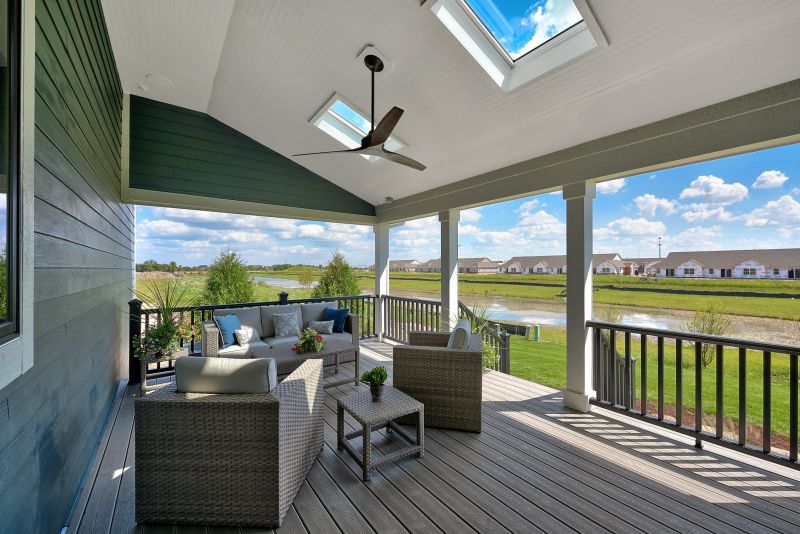
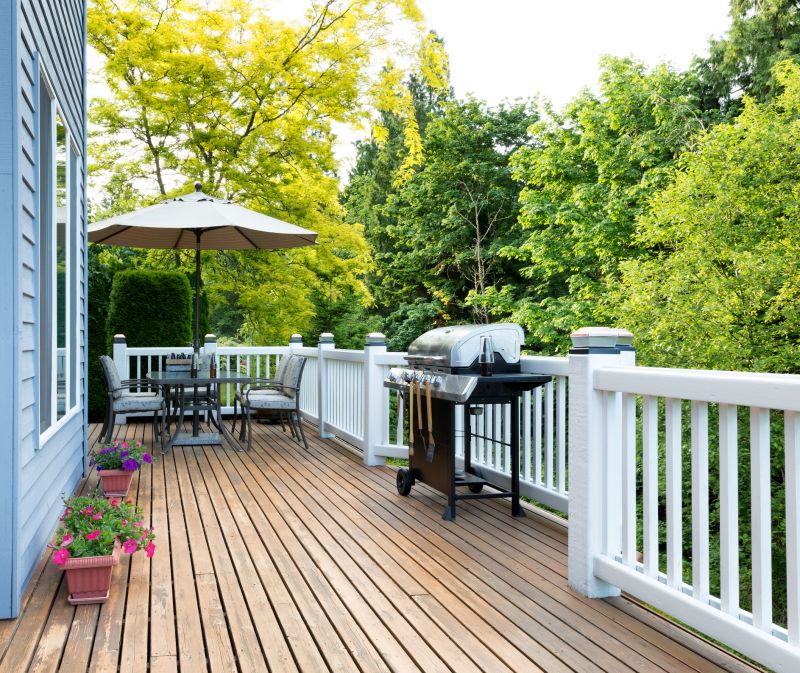
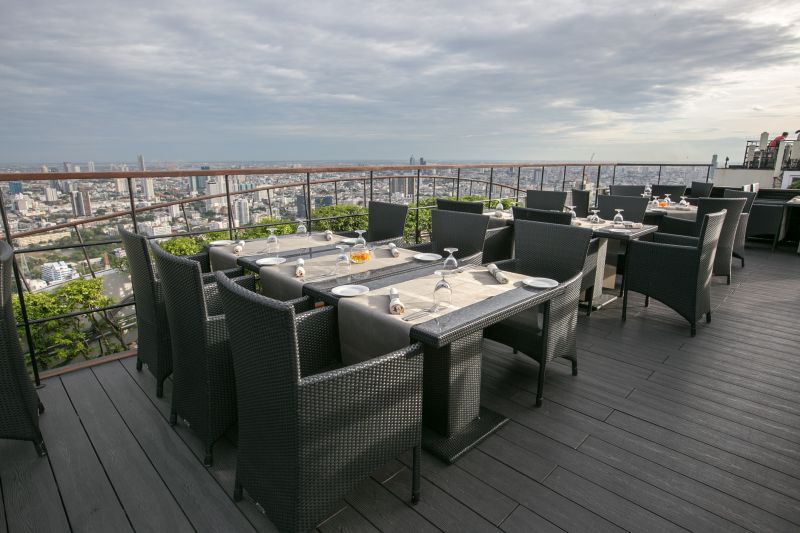
When people search for design considerations for commercial deck and porch installations, they are typically looking for guidance on how to plan and execute outdoor spaces that meet the specific needs of their business or property. This might include understanding the best materials to use, how to ensure safety and durability, and how to create an inviting environment for customers, employees, or visitors. These considerations often stem from existing plans or problems, such as upgrading an aging deck, expanding outdoor seating areas, or designing a new entryway that enhances curb appeal. The focus is on balancing aesthetic appeal with practical functionality to support the property’s intended use and to withstand regular foot traffic and weather conditions.
This topic is closely related to a range of property types, including retail storefronts, restaurants, office buildings, and community centers. Commercial properties often require outdoor spaces that are both attractive and resilient, capable of handling high usage without frequent repairs. For example, a restaurant might need a durable, slip-resistant porch that accommodates outdoor dining, while a retail store may seek a welcoming entry deck that draws customers in. These projects typically involve considerations like load capacity, accessibility, and compliance with local regulations, all of which influence the overall design. Addressing these factors early in the planning process helps prevent costly modifications later and ensures the finished installation aligns with the property's operational needs.
Design considerations for commercial deck and porch installations also involve selecting appropriate structural elements and finishes that support long-term use. Local contractors who specialize in commercial outdoor spaces can advise on the best framing, decking materials, and railing options to optimize safety and longevity. They understand how to incorporate features like lighting, drainage, and shading into the design, which can improve usability and comfort. For property owners, working with experienced service providers ensures that the design not only looks appealing but also functions effectively under the demands of daily commercial activity. Proper planning and expert input help create outdoor spaces that enhance the property's value and appeal while meeting all practical requirements.
Ultimately, understanding the key design considerations for commercial decks and porches helps property owners make informed decisions that align with their goals. Whether upgrading an existing structure or starting fresh, engaging with local pros who focus on commercial outdoor spaces can make a significant difference. These specialists bring knowledge of local building codes, material options, and innovative design solutions tailored to commercial needs. By partnering with experienced service providers, property owners can ensure their outdoor installations are both visually attractive and built to withstand the rigors of daily use, creating inviting and functional spaces that support their business objectives.
Commercial stairway construction - this project requires planning for load capacity and safety features similar to those in deck and porch design, with local contractors able to handle these structural considerations.
Outdoor railing installation - designing effective and durable railings involves similar planning and material selection skills used in commercial deck and porch projects.
Patio cover and canopy setups - these structures involve planning for weather resistance and aesthetic integration, aligning with design considerations for commercial outdoor spaces.
Landscape lighting projects - lighting design for commercial outdoor areas shares planning and technical skills with deck and porch lighting considerations.
Concrete paving and hardscaping - creating stable, level surfaces for outdoor spaces requires planning and execution skills comparable to those in deck and porch installations.
Accessibility ramp construction - designing ramps involves similar safety, planning, and structural considerations as commercial decks and porches, with local service providers capable of handling these tasks.
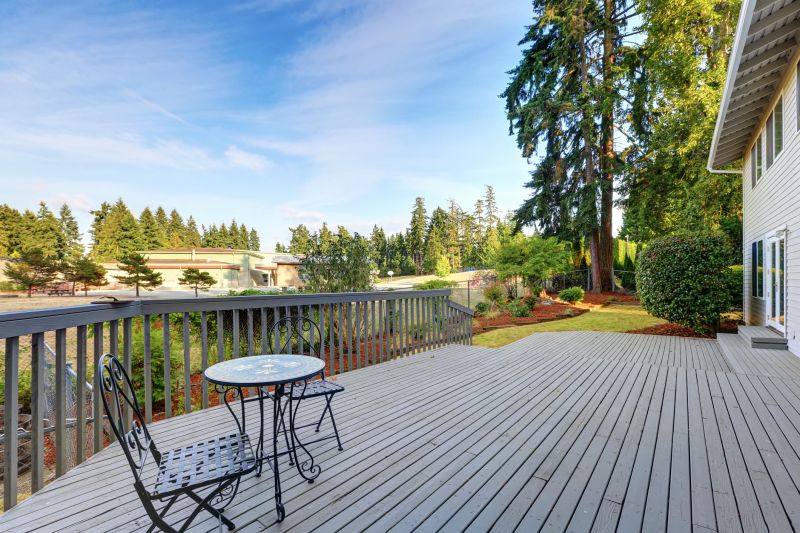
When evaluating service providers for commercial deck and porch design considerations, it is important to consider their experience with similar projects. An experienced contractor will have a deeper understanding of the unique challenges and requirements associated with commercial installations, such as durability, safety standards, and accessibility. Reviewing portfolios or project histories can provide insight into their familiarity with commercial deck design services and their ability to handle projects of comparable scope and complexity.
Clear and detailed written expectations are essential for ensuring alignment between the homeowner and the contractor. When comparing local contractors, inquire about how they communicate project scope, materials, timelines, and any specific design features. A reputable service provider will be able to articulate their approach and provide comprehensive documentation that outlines these expectations. This clarity helps prevent misunderstandings and ensures that the design considerations for commercial decks and porches are thoroughly addressed from the outset.
Reputable references and strong communication skills are also key factors in selecting the right contractor. Good communication ensures that questions are answered promptly and that any concerns about design considerations are addressed early in the process. Asking for references or reviews from previous clients who have had similar commercial projects can offer valuable perspective on the contractor’s professionalism, reliability, and ability to deliver on design expectations. Ultimately, choosing a service provider with a track record of clear communication and positive references can lead to a smoother project experience and a finished product that aligns with the desired design considerations.
Property owners often search for design considerations for commercial deck and porch installations when they are planning practical projects around their homes and businesses. Local pros provide Commercial Deck Design services for everyday jobs and straightforward project options.
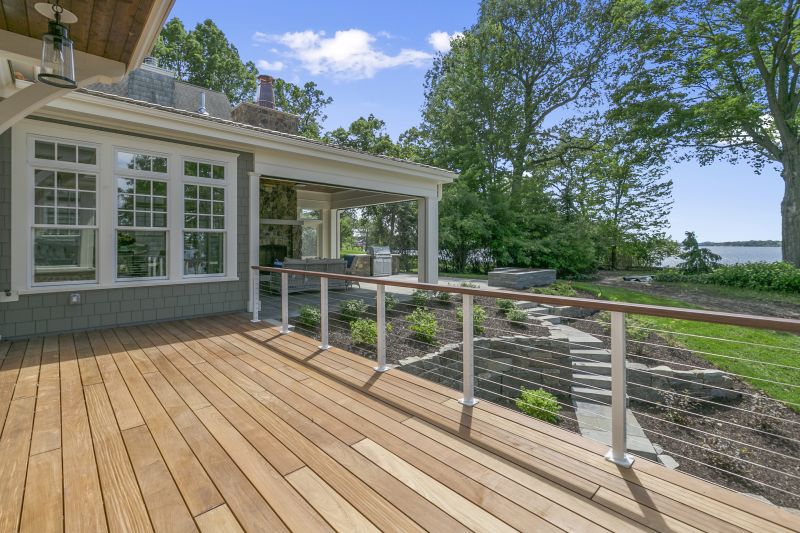
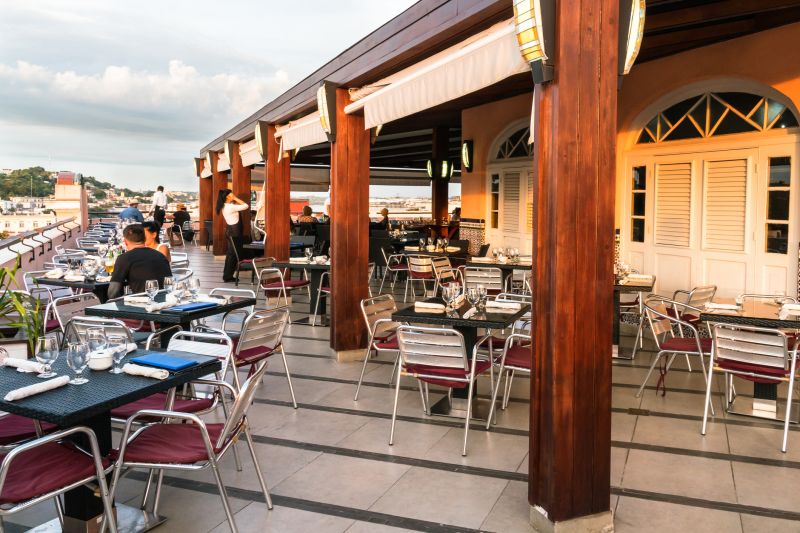
In many commercial settings, designing a deck or porch involves balancing aesthetic appeal with functional durability. Property owners often consider factors such as foot traffic, weather exposure, and the overall style of their building when exploring design considerations for commercial deck and porch installations. Local contractors can assist in selecting materials that withstand daily use while complementing the existing architecture, ensuring the space remains inviting and practical for customers or employees alike.
Understanding the importance of safety and accessibility is also a key aspect of commercial deck design. Property owners may look into features like slip-resistant surfaces, proper railing heights, and accessible pathways to meet their specific needs. Service providers experienced in commercial projects can help navigate these requirements, providing insights into layout options and structural elements that support both safety standards and the intended use of the outdoor space.
What are key design considerations for commercial deck and porch installations? Important factors include load capacity, durability of materials, accessibility, and integration with building architecture. Local contractors can help ensure these elements meet safety standards and suit the specific site conditions.
How does space planning impact commercial deck and porch design? Effective space planning involves optimizing layout for customer flow, outdoor seating, or service areas while maintaining safety and functionality. Service providers can assist in creating designs that maximize usability and aesthetic appeal.
What materials are recommended for commercial decks and porches? Common materials include pressure-treated wood, composite decking, and metal railings, chosen for their durability and low maintenance. Local pros can advise on the best options based on environmental conditions and usage needs.
How do local building codes influence commercial deck and porch design? Building codes dictate requirements for safety, accessibility, and structural integrity, which must be incorporated into the design. Experienced service providers are familiar with local regulations and can help ensure compliance.
What aesthetic considerations should be taken into account for commercial decks and porches? Aesthetic elements include color schemes, railing styles, and lighting that complement the building’s architecture. Local contractors can help craft designs that enhance curb appeal while fulfilling functional needs.
Material selection - Property owners can work with local contractors to choose durable materials that withstand heavy use and weather conditions common to commercial spaces.
Design layout - Considering traffic flow and accessibility helps ensure the deck or porch accommodates customers and staff comfortably during busy hours.
Safety features - Incorporating features like non-slip surfaces and proper railing heights can enhance safety and meet building standards for commercial properties.
Aesthetic appeal - Coordinating design elements with the property's overall style can create an inviting atmosphere that attracts visitors and complements the surroundings.
If you are thinking about design considerations for commercial deck and porch installations for a property, this guide is meant to help you understand this topic, the typical project types, and how different options might fit your plans.
When you are ready, you can use the quote form on this page to share a few details about your project. From there, local pros can review the basics and follow up with options that match what you have in mind.